

Key Takeaways
- Learning how to look after a bonsai plant starts with understanding the species you own, as indoor and outdoor varieties can have different light, temperature, and moisture needs.
- Check the growing medium before watering rather than following a fixed schedule, as bonsai pots are shallow and can dry out quickly while still being vulnerable to overwatering.
- Place your bonsai where it receives suitable light for its species, and watch for signs such as weak or sparse new growth that may indicate the location is too dim.
- Regular pruning, occasional repotting, and careful feeding help maintain the tree’s shape, support healthy roots, and encourage steady growth over time.
- When choosing a bonsai for your home, consider your available light, intended placement, and preferred level of maintenance so you can select a tree that fits naturally into your routine.
Introduction
A bonsai can bring balance, character, and timeless beauty to your home. Although its compact size may make it seem delicate, a bonsai is a living tree that needs regular care to stay healthy and keep growing.
If you are learning how to look after a bonsai plant for the first time, it is natural to have questions about watering, light, pruning, and feeding. Fortunately, bonsai care becomes easier once you understand the tree’s basic needs. With the right environment and a consistent routine, you can enjoy watching your bonsai develop for many years.
What Is a Bonsai Plant?
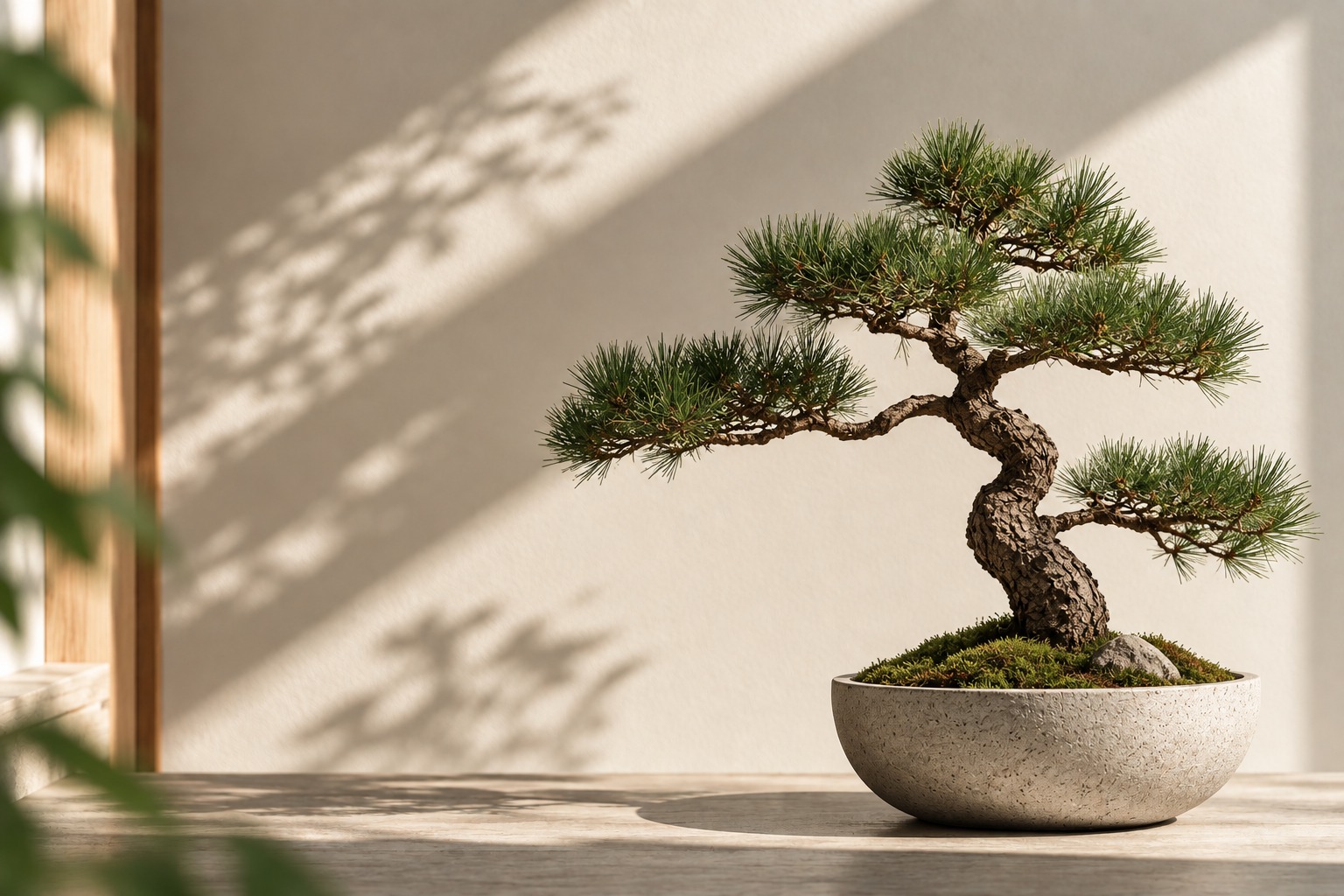
A bonsai is not a separate species of plant. Instead, it is a tree or shrub carefully cultivated and trained to grow in miniature while maintaining the appearance and proportions of a mature tree.
Many varieties can be grown as bonsai, each with its own growth habits and care requirements. Some are better suited to indoor environments, while others grow best outdoors. Understanding the species you own is therefore an important part of learning how to look after a bonsai plant properly.
Although a bonsai remains small because of regular pruning and root management, it still needs the right balance of light, water, nutrients, and care. When choosing a bonsai from an online plant store, look for details such as the species, pot size, light needs, watering guidance, and whether the container has drainage, so you can judge whether the tree suits your home.
Understanding Your Bonsai’s Needs
Bonsai are grown in shallow containers with a limited amount of growing medium, so they can dry out more quickly than plants in larger pots. At the same time, they do not tolerate constantly wet soil. Healthy roots need both moisture and oxygen, so good bonsai soil drainage is especially important.
Checking the growing medium regularly is one of the simplest ways to care for a bonsai plant without relying on a rigid routine. Feel whether the surface has begun to dry and whether the layer just below still holds moisture, then adjust watering according to what the tree and pot are actually showing.
Care also changes depending on the type of bonsai you have. Tropical bonsai commonly kept indoors generally prefer bright light, steady warmth, and protection from cold draughts. Bonsai kept outdoors may need brighter light and good airflow, while their tolerance for Singapore’s heat and frequent rain depends on the species. Identifying your tree first can therefore help you make better decisions about placement, watering, and protection from the weather.
How to Care for a Bonsai Plant at Home
Water According to the Soil, Not the Calendar
Watering is one of the most important parts of bonsai care. Rather than following a fixed schedule, check the growing medium regularly and water when it begins to dry.
Good bonsai watering means soaking the soil thoroughly until water flows through the drainage holes. This helps the root system receive enough moisture without leaving the soil permanently saturated.
The exact frequency will vary with the species, pot size, temperature, and sunlight. During warmer periods, your bonsai may need water more often. Watching these changes is central to understanding how to look after a bonsai plant throughout the year.
Provide Plenty of Light
The right amount of light varies from one bonsai to another, so bonsai sunlight should always be considered alongside the species you own. Some tropical varieties can suit bright indoor positions, while bonsai grown outdoors may need stronger daylight.
Before choosing a location, check the species name on the plant label or refer to the care information provided when you purchased it. You should also watch how the tree responds. Weak, stretched, or sparse new growth can sometimes suggest insufficient light, although other care issues may cause similar symptoms.
Indoor tropical varieties should also be kept away from constant cold airflow from air-conditioning vents. When choosing indoor plants in Singapore, the natural light available in your home can help you narrow down varieties best suited to each room.
Matching the tree to the right environment is important, as bonsai care for indoor and outdoor varieties can differ in areas such as light, temperature, humidity, and placement.
Prune and Maintain Its Shape
Regular bonsai pruning helps preserve the miniature appearance that makes these trees distinctive. As new shoots develop, trimming excessive growth can maintain the desired shape while encouraging a balanced canopy.
You should also remove dead, damaged, or yellowing leaves and inspect your bonsai regularly for pests or disease. Changes in foliage or new growth can provide useful clues about the tree’s condition.
As your bonsai matures, it may eventually require repotting and root pruning. Signs that roots are becoming crowded can include roots circling tightly around the pot, compacted growing medium, or water passing through unusually quickly. Repotting at the appropriate time refreshes the growing medium and gives the roots better conditions for continued development.
Feed Carefully During Active Growth
Fertiliser supplies nutrients that support healthy growth, but feeding works best once suitable light, watering, and soil conditions are already in place. When your bonsai is producing new shoots or leaves, it may benefit from more regular feeding, while its requirements can decrease when growth slows.
Always follow the recommendations for your particular species and the fertiliser you use. Too much can stress or damage roots, so a stronger dose isn’t necessarily better. When choosing plant fertiliser, look for an option that fits routine plant care, and follow the label directions carefully rather than increasing the amount to force faster growth.
Conclusion
Caring for a bonsai is a long-term commitment, but a consistent routine makes the process more manageable. Learning how to look after a bonsai plant means paying attention to its soil, watering needs, light exposure, growth, and overall condition rather than treating care as a fixed checklist.
Every bonsai is different, so observing how your tree responds to its environment will help you develop a suitable routine. When browsing Arbour’s range, you can consider practical factors such as the light available in your home, the intended placement, and the level of ongoing care you are comfortable providing. Whether you are choosing your first bonsai or adding to your collection, these considerations can help you select a plant that fits naturally into your home and routine.
Explore Arbour’s bonsai and indoor plant collection to find a plant that suits your home, available light, and preferred level of care.