

Key Takeaways
- The benefits of plants go beyond decoration, with greenery adding natural colour, texture, softness, and visual balance to your home.
- Thoughtfully placed indoor greenery can make empty corners, shelves, workspaces, and living areas feel more complete without requiring major interior changes.
- Choosing plants according to your home’s light, airflow, temperature, and available space can make everyday care easier.
- Visible greenery and organic forms can create a stronger connection to nature, while simple routines such as watering and pruning bring natural elements into everyday home life.
- Arbour brings together indoor plants, planters, growing media, and care essentials, helping you consider both how your greenery looks and what it needs over time.
Introduction
Plants can change a room’s character with relatively little intervention. A leafy plant beside a sofa, a trailing variety on a shelf, or a compact pot near a workspace can introduce colour, movement, and softness where an interior might otherwise feel flat or overly structured.
One benefit of plants is their ability to refresh familiar spaces without a complete redesign. Whether you are furnishing a new home or updating a room you already enjoy, greenery can soften harder surfaces, bring life to unused areas, and make the overall setting feel more considered.
Different plant sizes also suit different areas. Compact varieties can work well on desks and shelves, trailing plants can soften tall storage units, while larger foliage plants can fill an empty corner without adding another piece of furniture.
Understanding Indoor Plants
Indoor plants are varieties that can adapt to conditions commonly found inside homes and other enclosed spaces. Some prefer bright indirect light, while others cope better in comparatively shaded positions, so the amount and direction of natural light in your room matter when choosing one.
When browsing indoor plant options in Singapore, look beyond appearance. Check the plant’s mature height and width, how much light it needs, and whether its growth habit suits the position you have available. A broad plant beside a narrow walkway, for example, may become inconvenient as it grows.
This makes plant selection part of your overall plant care routine. Starting with a plant that suits its intended position can reduce the need to move it or correct unsuitable growing conditions later.
How Indoor Plants Can Transform the Look and Feel of Your Home
Adding Depth and Character to Your Décor
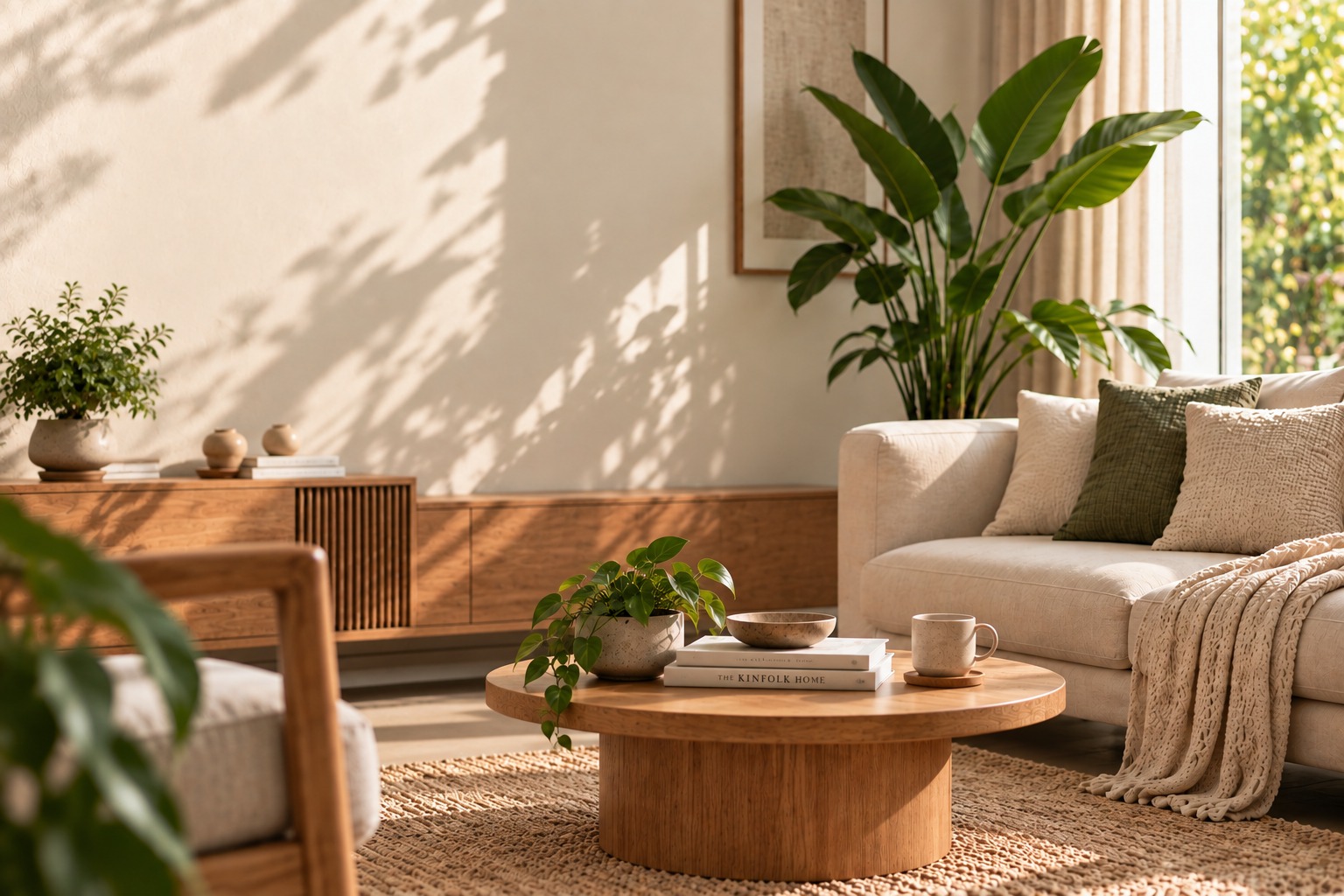
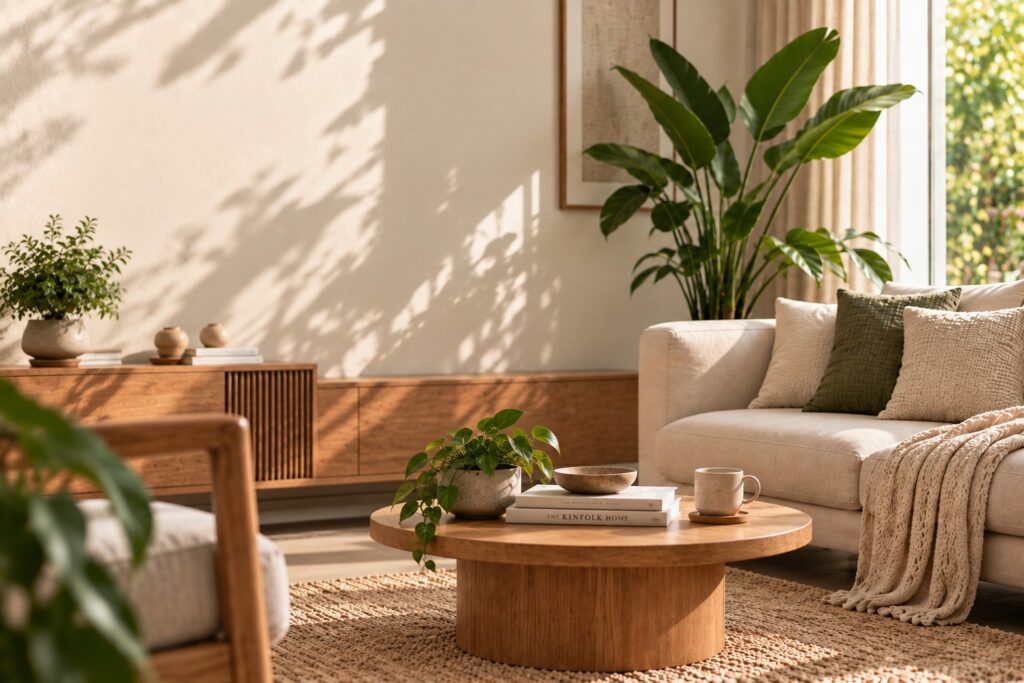
A clear example of the benefits of plants is the way greenery introduces depth without adding another hard furnishing or decorative object. Leaves bring different heights, shapes, and natural textures into a room, helping to break up large areas of neutral colour or straight architectural lines.
You might place a taller plant beside a sofa, position compact pots across an open shelf, or use a trailing variety above a cabinet. Browsing an online plant store can also help you judge different plant sizes and forms before deciding what will fit comfortably in the space you have.
Plants can complement minimalist, Scandinavian, Japandi, contemporary, and tropical-inspired interiors, but they do not need to follow a particular design theme. What matters more is whether their scale and shape work naturally with the room.
Creating a Fresher-Feeling Indoor Environment
As part of their normal growth cycle, plants take up water through their roots and lose some moisture through their leaves. For you, the practical point is that conditions around the plant matter, particularly when deciding where it should sit at home.
You may notice which window receives harsh afternoon sun, where cold air from an air-conditioning vent falls, or which corner stays relatively dim throughout the day. These observations can help you choose better positions and avoid putting sensitive varieties in conditions that may cause stress.
This is one practical benefit of plants in a thoughtfully arranged home: greenery encourages you to pay closer attention to light, temperature, and how different areas of the room are used.
Making Your Home Feel Calmer and More Restful
Greenery can soften rooms filled with screens, storage, furniture, and other structured elements. You do not need a large collection to notice the difference. One plant beside your workspace or a small arrangement in the living room may be enough to introduce a gentler visual element.
Indoor greenery has also been associated with more relaxed physiological responses and cognitive benefits, although the evidence is still developing. A systematic review of indoor plants and human responses provides further context on these findings. Greenery is therefore better viewed as one feature that may contribute to a pleasant environment rather than a guaranteed wellbeing solution.
Plant care can also become a simple routine. Watering, pruning tired foliage, and noticing new growth give you occasional moments away from screens and everyday tasks.
Adding Gentle Humidity to Air-Conditioned Rooms
Air conditioning can create drier conditions around some indoor plants. Humidity affects how quickly plants lose moisture through their leaves, so varieties accustomed to tropical conditions may need more careful positioning in regularly cooled rooms.
Avoid positioning sensitive foliage directly in front of an air-conditioning vent, where constant cool airflow may dry the leaves more quickly. Choosing a spot with stable temperatures and suitable indirect light can help the plant remain more comfortable in an air-conditioned room.
Growing media matters too. Arbour’s soil mixes provide options for different drainage, aeration, and moisture-retention needs, helping you match the medium more closely to the plant instead of treating every pot the same way.
Choosing Plants That Work With Your Home
To get more from the benefits of plants, choose varieties that fit the conditions you actually have rather than selecting them on appearance alone.
Observe the intended position at different times of day. A spot near a window may receive gentle morning light but stronger afternoon sun later. An interior corner may stay comparatively shaded, while bathrooms can be more humid than air-conditioned bedrooms or studies.
Consider mature size as well. Check both height and width, particularly near walkways, dining areas, and compact furniture. Be realistic about how often you are willing to water, prune, repot, and check your plants.
Bring More Greenery Into Your Home
Plants have the greatest impact when they suit both your interior and your lifestyle. The right choice can add colour, texture, and softness while remaining manageable to care for over time.
Arbour brings the key parts of your plant setup together, from indoor greenery and planters to suitable growing media and care essentials. By comparing plant form, pot style, soil mix, and care items together, you can choose greenery that looks right in your home and has the practical support it needs after delivery.
Explore Arbour’s indoor plant collection and choose greenery that works with your space, lighting, and everyday routine.
Semantic Keywords: indoor greenery, connection to nature, plant care, natural textures