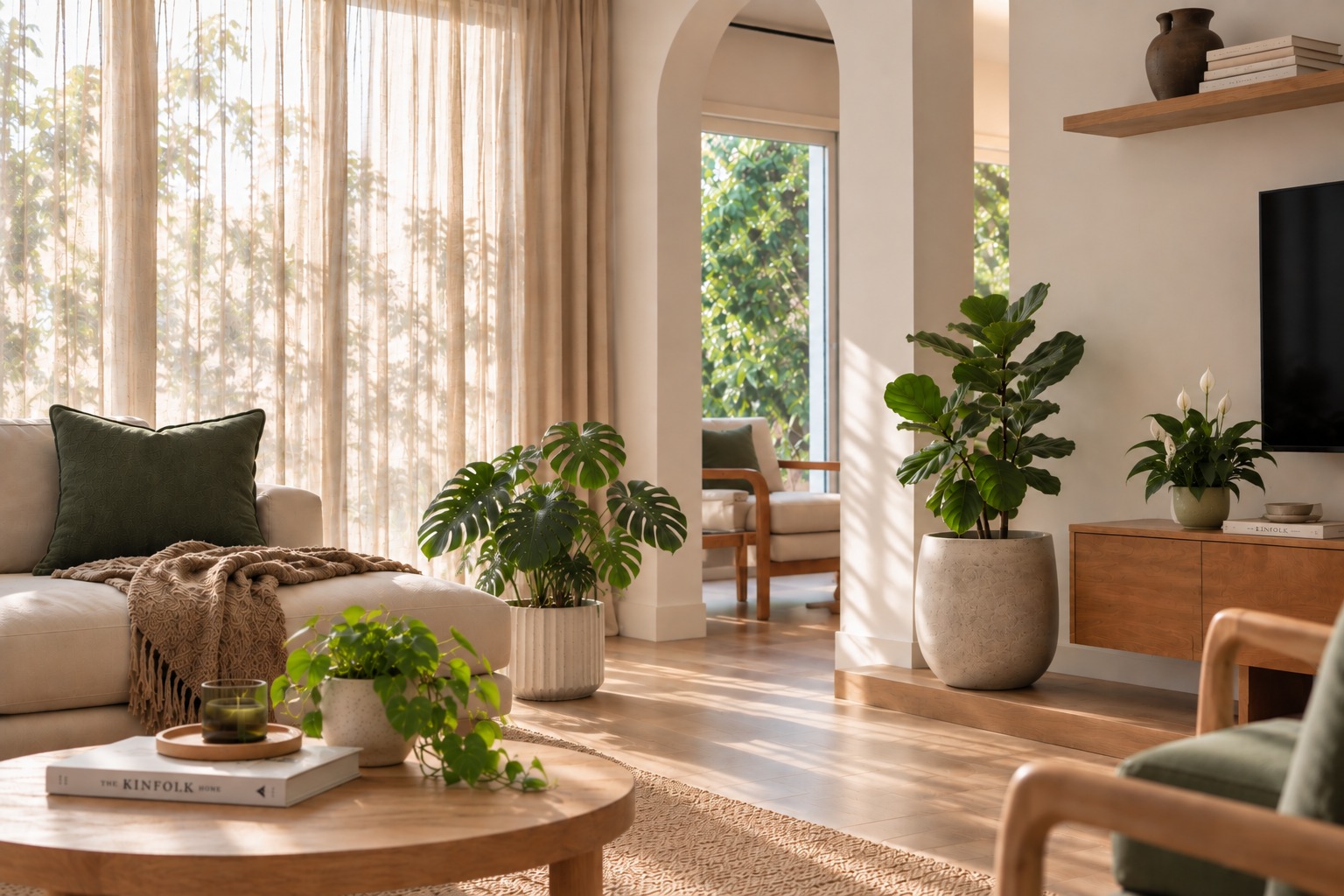


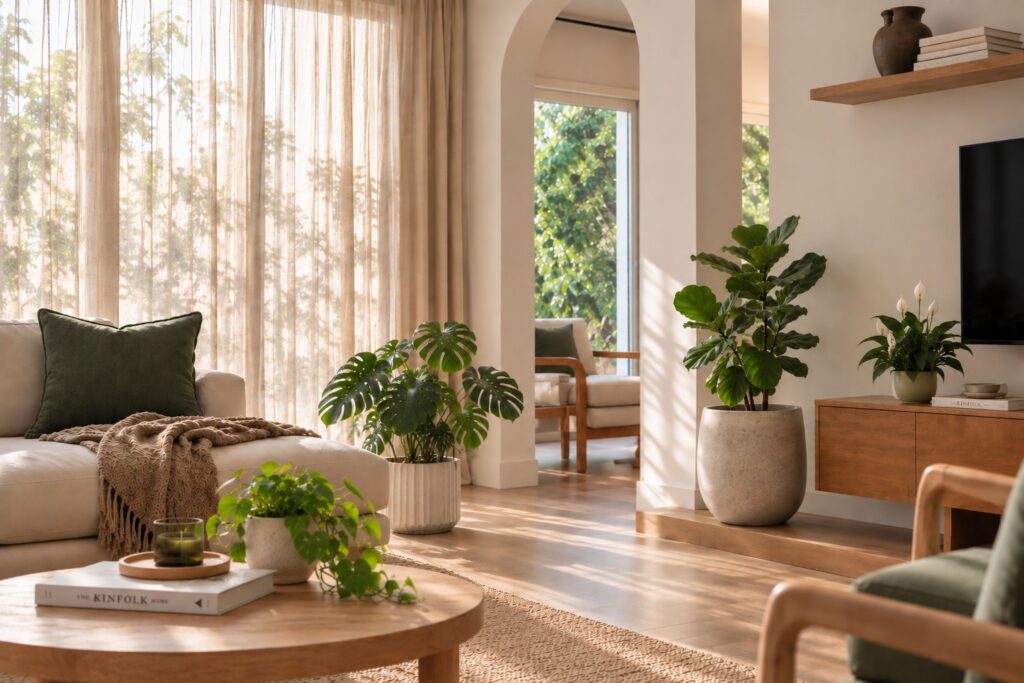
Key Takeaways
- The best indoor plants in Singapore match your home’s light, airflow, humidity, available space, and care routine, not just looks.
- Monstera, Snake Plant, Philodendron, Pothos, ZZ Plant, and Peace Lily can all suit Singapore homes, but each has different needs for light, watering, and growing media.
- Air conditioning can create cooler, drier indoor conditions, so plants generally do better when kept away from direct vents and constant drying airflow.
- Choosing the right growing medium is important because good soil drainage, aeration, and moisture retention can support healthier root conditions and make ongoing care easier.
- Arbour lets you compare indoor plants by size and care needs alongside NaturalGro growing media and plant-care essentials, helping you choose greenery and supporting products that suit your home.
Introduction
Singapore’s tropical climate provides warm temperatures year-round, making it possible to enjoy lush greenery both indoors and outdoors. However, choosing the best indoor plants in Singapore involves more than selecting one you like the look of. Humidity, natural light, air conditioning, and changes in daylight during wetter periods can all influence how well a plant adapts to your home.
Fortunately, many tropical houseplants can adapt well to Singapore homes when their placement suits the available light, airflow, and indoor temperature. By choosing varieties that match your home’s conditions, available space, and care routine, you can enjoy healthy greenery without making plant care unnecessarily complicated.
Understanding the Challenges of Growing Plants Indoors in Singapore
While Singapore’s warm, humid weather benefits many tropical plants, indoor environments can differ greatly from outdoor conditions.
Many homes rely on air conditioning for comfort, which can expose plants to cooler, drier airflow. The amount of indirect sunlight can also vary significantly between homes. Some apartments receive bright filtered light for much of the day, while others may be shaded by neighbouring buildings or receive less light during periods of frequent rain. Since light, temperature, water, and humidity all affect where houseplants grow best, the same plant may perform very differently from one room to another.
Rather than choosing plants based on appearance alone, consider where they will be placed and whether the conditions suit their growing needs. When browsing indoor plant options in Singapore, consider light requirements, mature size, and maintenance needs to narrow down plants that are more practical for your home.
The Best Indoor Plants for Singapore’s Tropical Climate
The best indoor plants in Singapore are generally those that can cope with consistently warm temperatures while adapting to the changing light, airflow, and humidity found inside homes.
Monstera: Best for Bright Statement Corners
Monstera is known for its large, split leaves and bold appearance. It works particularly well in living rooms, dining areas, or home offices with enough space for its foliage to spread.
In many homes, Monstera does best in bright, indirect light, with watering adjusted accordingly to how quickly the top few centimetres of the growing medium feel dry. Avoid intense afternoon sun, which may scorch the leaves.
A well-draining mix is also important. Good soil drainage allows excess moisture to move away from the roots rather than leaving the plant sitting in persistently wet growing media.
Snake Plant: Best for Low-Maintenance Owners
If you are looking for one of the best indoor plants in Singapore for a lower-maintenance routine, the Snake Plant is a practical choice. Its upright leaves suit compact rooms and modern interiors, while its care requirements are relatively straightforward.
Snake Plants can tolerate lower-light areas but usually grow more actively in brighter indirect light. Allow the growing medium to dry well between waterings, as excessive moisture is generally a greater concern than occasionally waiting longer to water.
When using an online plant store, compare the plant’s current and mature size, preferred light level, and watering needs rather than choosing based on appearance alone. This makes it easier to find a plant that genuinely fits your available space and routine.
Philodendron: Best for Fuller Indoor Greenery
Philodendrons offer a wide range of leaf shapes and growth habits, including climbing and self-heading varieties. Their foliage can bring softness and fuller greenery to shelves, side tables, and larger corners, helping the room feel more natural and visually balanced.
Most prefer bright, indirect light and a growing medium that retains some moisture without remaining waterlogged. Keep them away from direct blasts of air conditioning, and adjust watering based on the plant’s response and the room’s airflow.
Pothos: Best for Shelves and Smaller Spaces
Pothos is useful when you want greenery without taking up much floor space. Its trailing stems can grow from shelves, cabinets, or hanging planters, making it practical for smaller homes.
It can adapt to different light levels, although brighter indirect light generally supports stronger growth. Let the top layer of the growing medium dry slightly before watering again, rather than watering purely by schedule.
ZZ Plant: Best for Lower-Light Corners
The ZZ Plant is worth considering for parts of the home that receive less natural light. Its upright stems and glossy foliage also make it easy to position in bedrooms, studies, or quieter corners.
It stores moisture in its underground rhizomes, so frequent watering is unnecessary. Let the growing medium dry between waterings and avoid keeping the pot consistently wet.
Peace Lily: Best for More Humid Indoor Areas
Peace Lilies prefer bright, filtered light but can also tolerate areas with less natural light, as long as the space is not consistently dark. Their broad leaves make them suitable for adding fuller greenery to bedrooms and living spaces.
They generally prefer more consistent moisture than Snake Plants or ZZ Plants, making them better suited to you if you are comfortable checking the growing medium regularly and adjusting care as room conditions change.
Choosing Plants That Match Your Home
Before choosing a plant, observe the room where you plan to keep it. Check whether the area receives morning or afternoon light, and whether that light is direct, filtered, or limited for most of the day.
Consider air conditioning as well. Instead of placing plants directly beneath vents, choose a position with stable temperatures and more consistent indoor humidity, away from constant drying airflow.
Your care routine matters too. Snake Plants and ZZ Plants may suit you if you prefer less frequent watering, while Monsteras, Philodendrons, and Peace Lilies can suit someone who enjoys monitoring moisture and growth more closely.
The growing medium should also match the plant. Different varieties need different balances of drainage, aeration, and moisture retention. Arbour’s soil mixes include options formulated around these needs, making repotting and ongoing care easier to manage.
In humid homes or lower-light rooms, overwatering can become a bigger problem than forgetting one watering. Check the growing medium before watering, especially if the plant sits in a shaded corner, a large pot, or a space with limited airflow.
Finally, measure your available space. The best indoor plants in Singapore for your home are not necessarily the largest or most dramatic varieties, but those that fit your light conditions, care habits, and available room.
Choosing Indoor Plants With Arbour
Singapore’s climate supports a wide range of indoor greenery, but conditions inside each home can differ considerably. Matching the plant to your light, airflow, watering routine, and space gives you a more practical starting point for long-term care.
At Arbour, you can compare indoor plants by size and care requirements while also browsing NaturalGro growing media, plant-care essentials and Build Your Own Pot options in the same place. This helps you think beyond the plant alone and consider the pot, soil mix, drainage, and care items that support it after delivery.
Explore Arbour’s range to find the best indoor plants in Singapore for your space.